%2Ffit-in%2F250x250%2Fguide_websites%2F57083%2Fimages%2F1765242861075481181008_1072879344644622_5907388752030918596_n.jpg&w=1920&q=100)
/users/022031ee-2684-45f2-8dd2-a987f2e78c1e/ratecard/img_2201-mqxypesf.jpeg)
%2F300x300%2Fusers%2F022031ee-2684-45f2-8dd2-a987f2e78c1e%2Fratecard%2Fimg_2201-mqxypesf.jpeg&w=256&q=75)
%2F300x300%2Fusers%2F022031ee-2684-45f2-8dd2-a987f2e78c1e%2Fimages%2Fanglers-fishing-oregon-2510.jpg&w=256&q=75)
%2F300x300%2Fusers%2F022031ee-2684-45f2-8dd2-a987f2e78c1e%2Fimages%2Fpacific-halibut-tillamook-fishing-2849.jpg&w=256&q=75)
%2F300x300%2Fusers%2F022031ee-2684-45f2-8dd2-a987f2e78c1e%2Fimages%2Fchinook-salmon-oregon-fishing-2569.jpg&w=256&q=75)
%2F300x300%2Fusers%2F022031ee-2684-45f2-8dd2-a987f2e78c1e%2Fimages%2Ftillamook-fishing-adventure-2638.jpg&w=256&q=75)
%2F300x300%2Fusers%2F022031ee-2684-45f2-8dd2-a987f2e78c1e%2Fimages%2Fincredible-fishing-haul-oregon-2760.jpg&w=256&q=75)
%2F300x300%2Fusers%2F022031ee-2684-45f2-8dd2-a987f2e78c1e%2Fimages%2Fsalmon-fishing-oregon-2795.jpg&w=256&q=75)
%2F300x300%2Fusers%2F022031ee-2684-45f2-8dd2-a987f2e78c1e%2Fimages%2Flingcod-catch-tillamook-2778.jpg&w=256&q=75)
%2F300x300%2Fusers%2F022031ee-2684-45f2-8dd2-a987f2e78c1e%2Fimages%2Ffishing-adventure-oregon-2648.jpg&w=256&q=75)
%2F300x300%2Fusers%2F022031ee-2684-45f2-8dd2-a987f2e78c1e%2Fimages%2Fcoho-salmon-fishing-oregon-2810.jpg&w=256&q=75)
%2F300x300%2Fusers%2F022031ee-2684-45f2-8dd2-a987f2e78c1e%2Fimages%2Fcoho-salmon-tillamook-fishing-2630.jpg&w=256&q=75)
Pro Fish Guide Northwest Oregon Duck Hunting
 Tillamook, OR
What you will be catching:
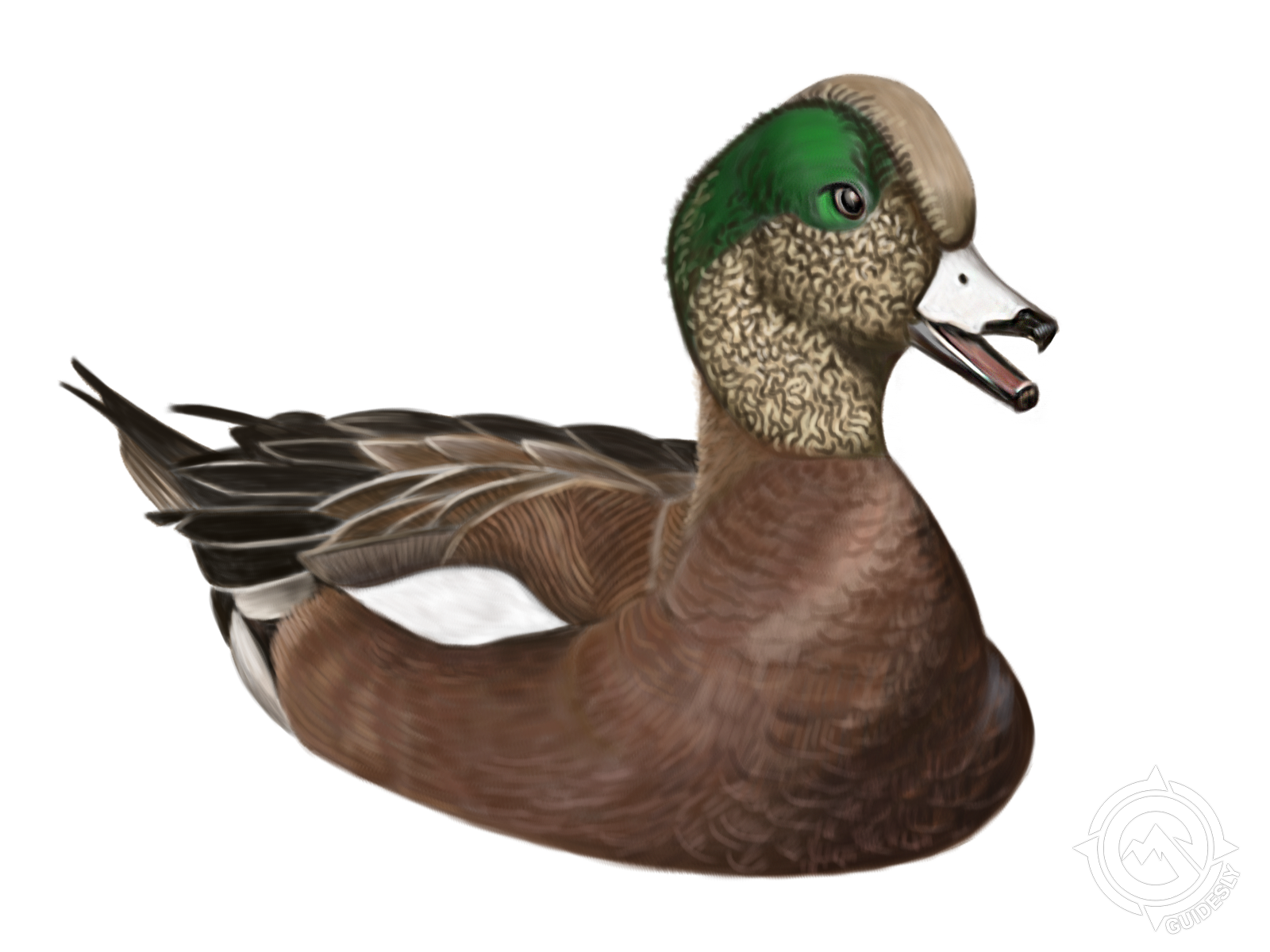 American Wigeon
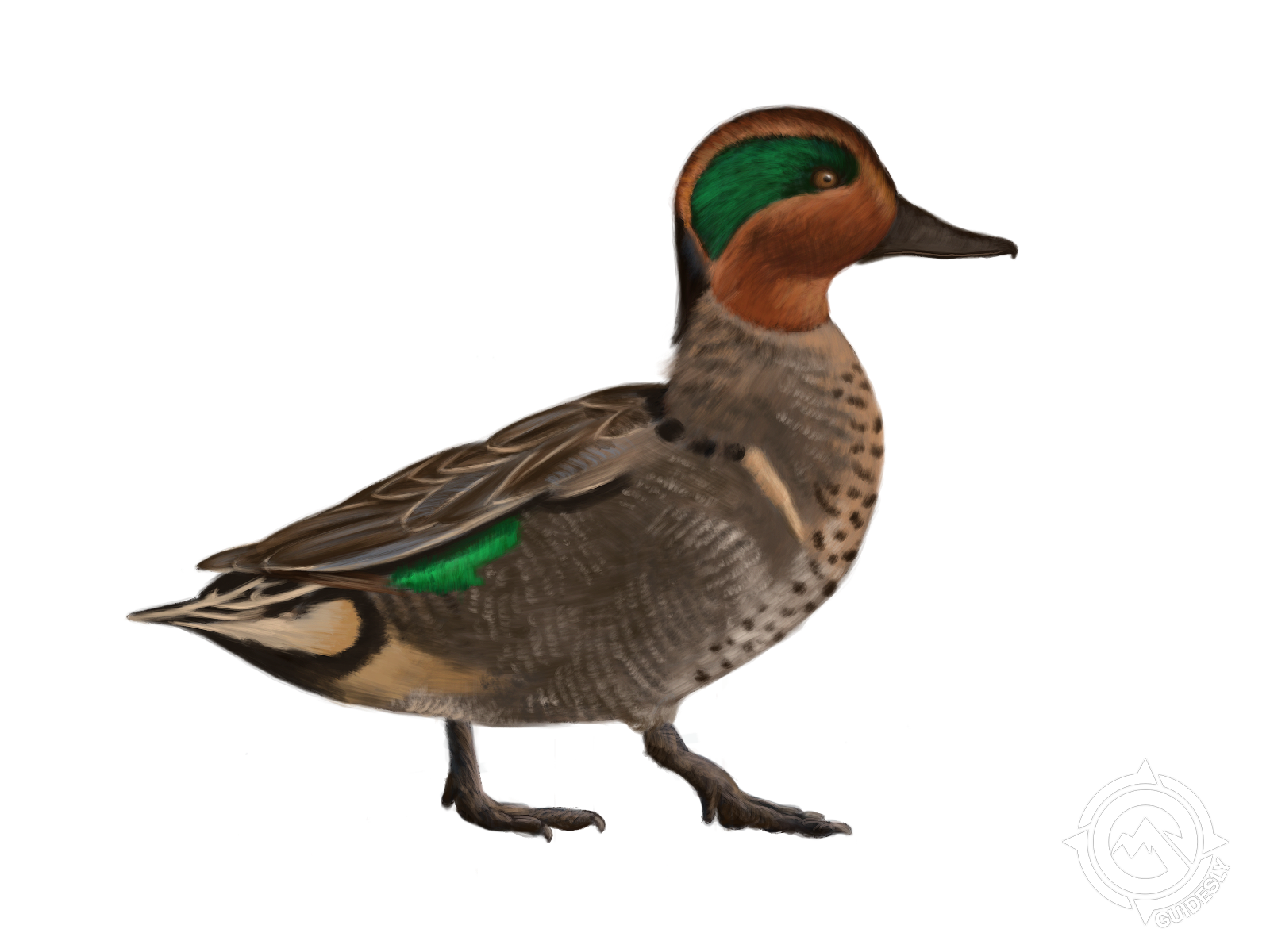 Green-winged Teal
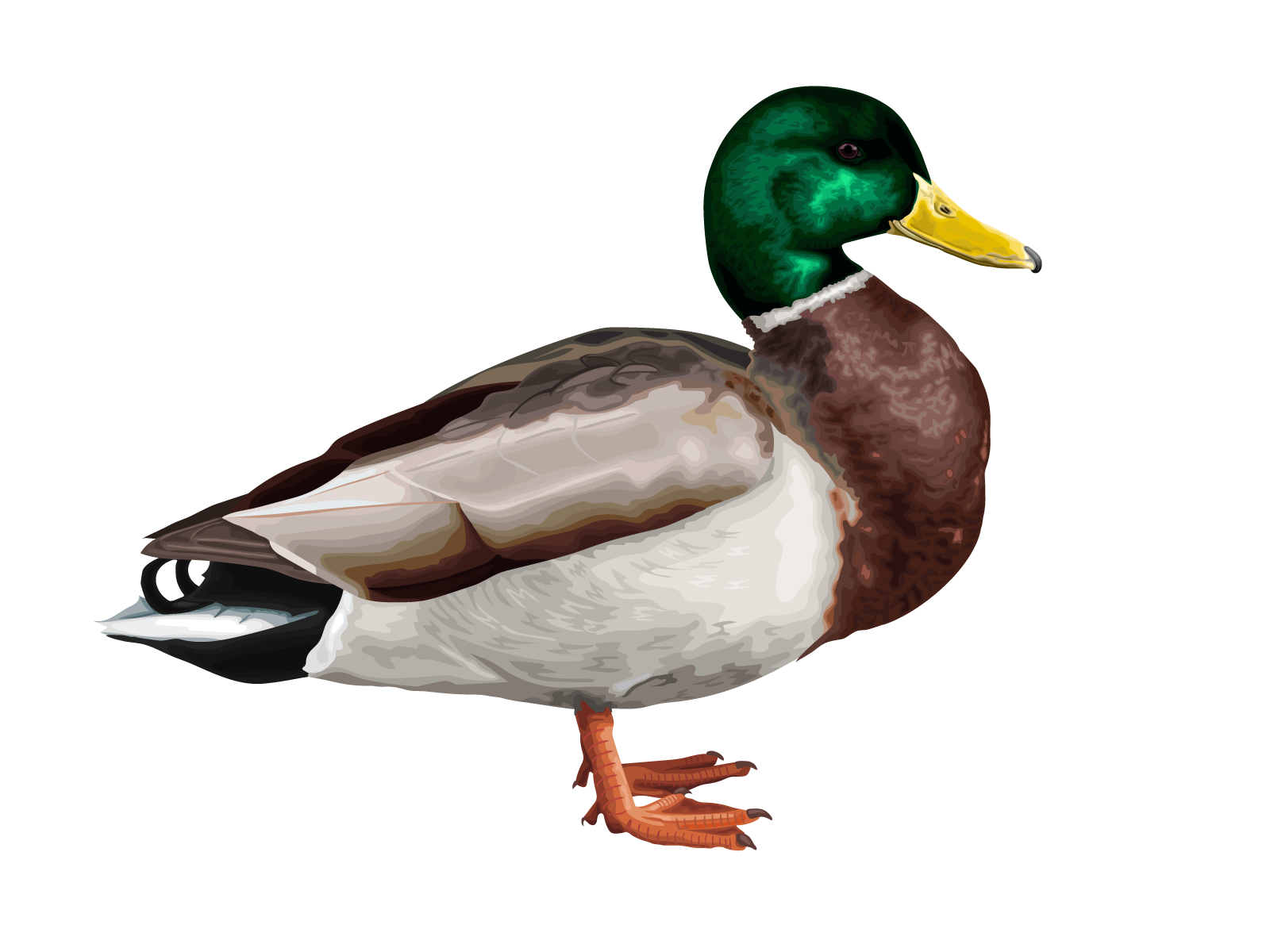 Mallard
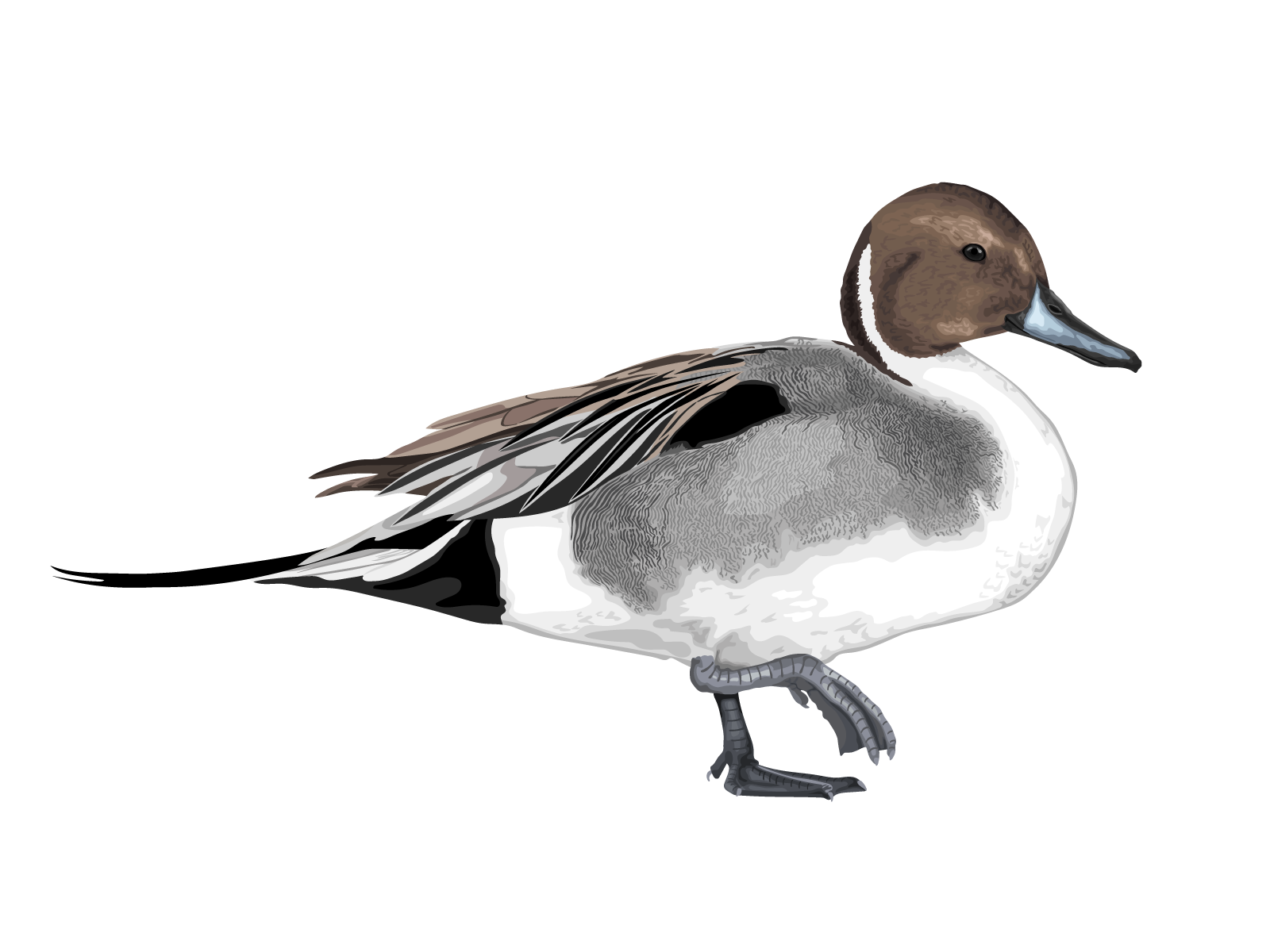 Northern Pintail
 Northern Shoveler
- Prime wetlands targeting sea ducks, puddle ducks, and Canadian geese
- Custom Excel boat with blind, motor, decoys, and trained retriever provided
- Intimate two-hunter capacity ensuring personalized hunting experience
Trip Pricing and Availabilities:
Duck Hunting Trips in Northwest Oregon
If you're looking for world-class waterfowl hunting in some of Oregon's most productive habitat, you've found the right guide. Our duck hunting trips in Northwest Oregon put you right in the middle of the Pacific Flyway action, where thousands of ducks and geese funnel through during migration. We're talking about real hunting here – not some tourist show. You'll be hunting from our custom-built Excel duck boat complete with blind and powered by a reliable mud buddy motor, plus we've got seasoned hunting dogs that know these waters like the back of their paw. Whether we're setting up in flooded timber or working the open water, you're getting the full Northwest Oregon waterfowl experience.
Inside the Hunt
Every hunt starts before dawn because that's when the birds are moving. We'll meet up and head out to prime spots that change based on weather, wind, and where the birds are working that day. That's the beauty of hunting with a local guide who knows these waters year-round. Our setup includes a top-rated spread of decoys that we've fine-tuned over years of guiding – the kind of spread that pulls birds from way out there and brings them right into your shooting lane. The Excel boat gives us access to spots other hunters can't reach, and with the blind setup, you're concealed but comfortable. Our hunting dog will be right there with us, ready to retrieve your birds and adding that authentic touch that makes waterfowl hunting what it's supposed to be. We're hunting both field setups and water depending on conditions, so you're getting variety in your hunt and maximizing your chances at different species.
Tracking Tips & Terrain
Northwest Oregon's wetlands and agricultural areas create perfect duck habitat, and we hunt it all. The terrain here ranges from shallow marshes to deeper sloughs, plus flooded fields that draw birds like magnets. Our mud buddy motor lets us navigate through the shallowest water and thick vegetation where other boats would get stuck. When we're hunting fields, we're talking about birds coming in to feed – that means low, fast shots that'll test your swing. Water hunting is different – birds working decoys, giving you time to pick your shots and call them in close. The decoy spread changes based on species and conditions, but we always run enough blocks to look natural and pull birds from a distance. Weather plays a huge role out here, and honestly, some of the best hunting happens when conditions get rough. Storms push birds around, and that's when you see migration waves that can make for epic days.
Target Game Breakdown
Northern Pintail are the aristocrats of the duck world, and Northwest Oregon sees good numbers during migration. These birds are wary and elegant, with those long necks and distinctive profiles that make them easy to spot from a distance. Pintails love shallow water and agricultural areas, which we've got plenty of. They decoy well early in the season but get educated fast, so timing matters. When you drop a drake pintail with those long tail feathers, you've got yourself a trophy that any waterfowler would be proud of.
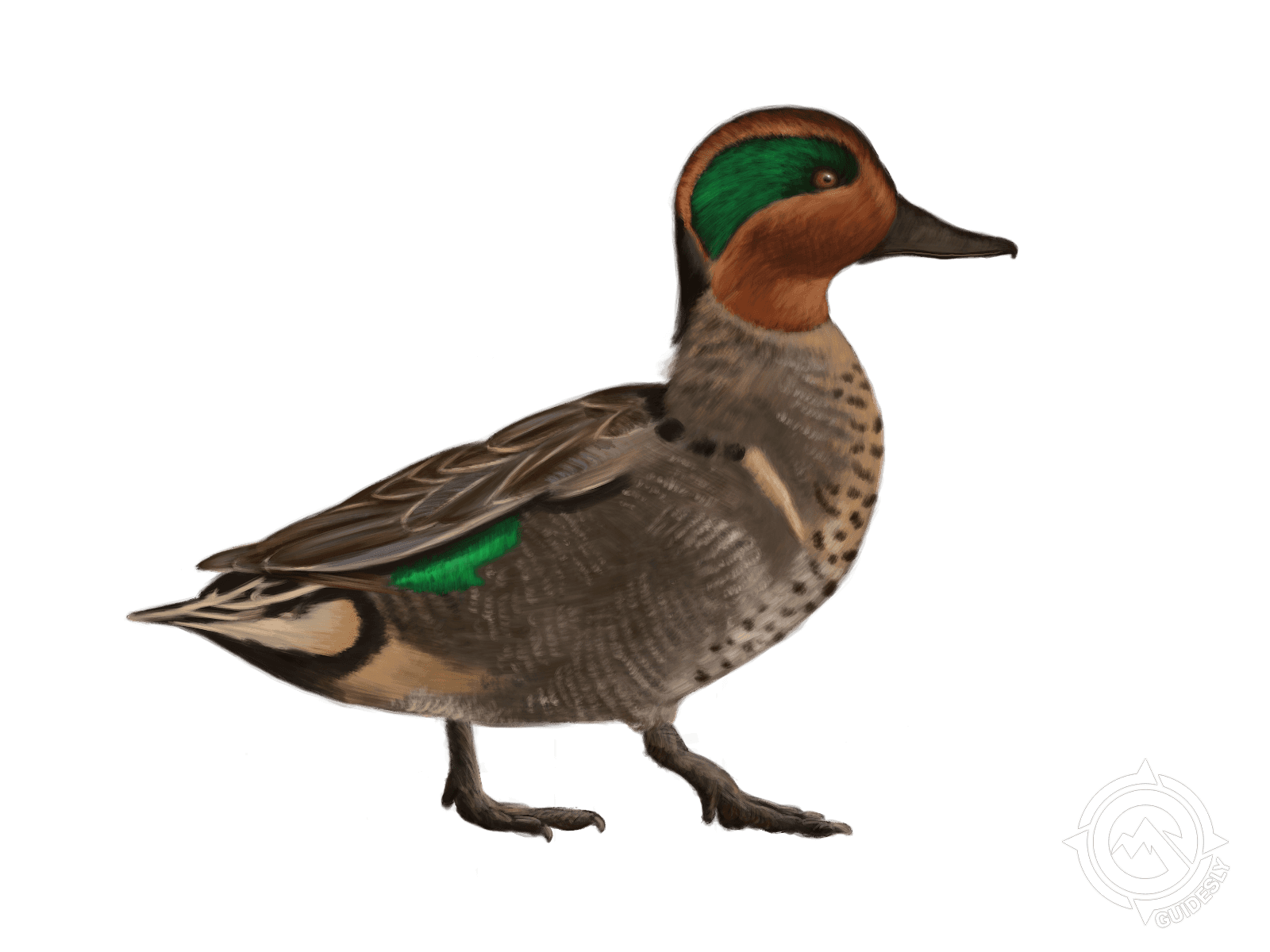
Green-winged Teal are speed demons that'll test your shooting skills and keep things exciting. These small ducks move in tight flocks and can change direction like they're defying physics. They're often the first birds you'll see in the morning, zipping over the decoys before legal shooting time just to get your heart pumping. Teal love shallow, muddy areas with lots of vegetation, and our spots are perfect for them. They're not just fun to hunt – they're excellent eating too.
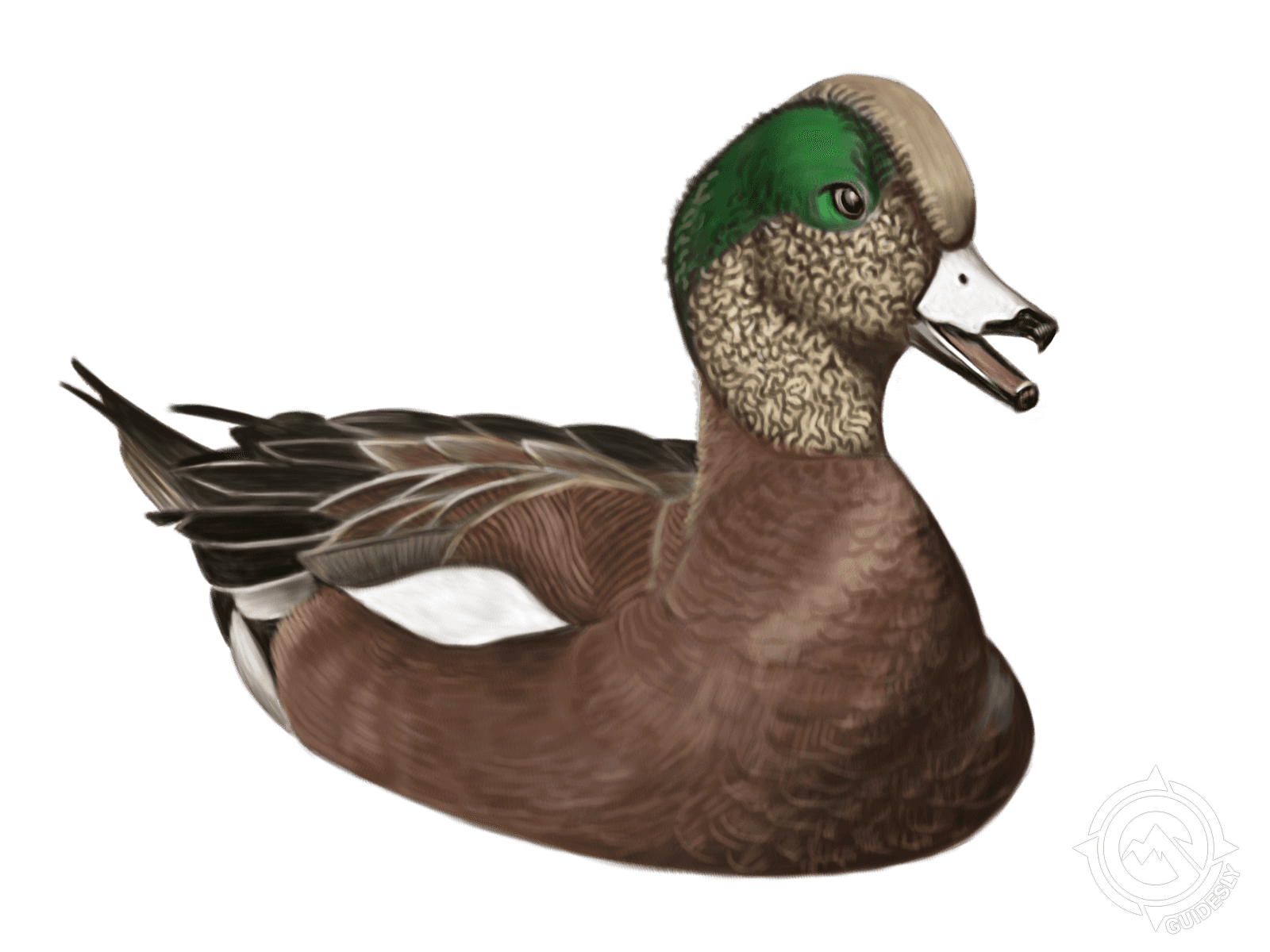
American Wigeon, or "baldpate" as old-timers call them, are grazers that love our flooded grass fields. These birds make a distinctive whistling call that you'll learn to recognize from way off. Wigeon are social birds that often mix with other species, so when you see them working your spread, there's usually more variety coming behind them. They're beautiful ducks with those white crowns on the drakes, and they decoy really well when you've got the right setup.
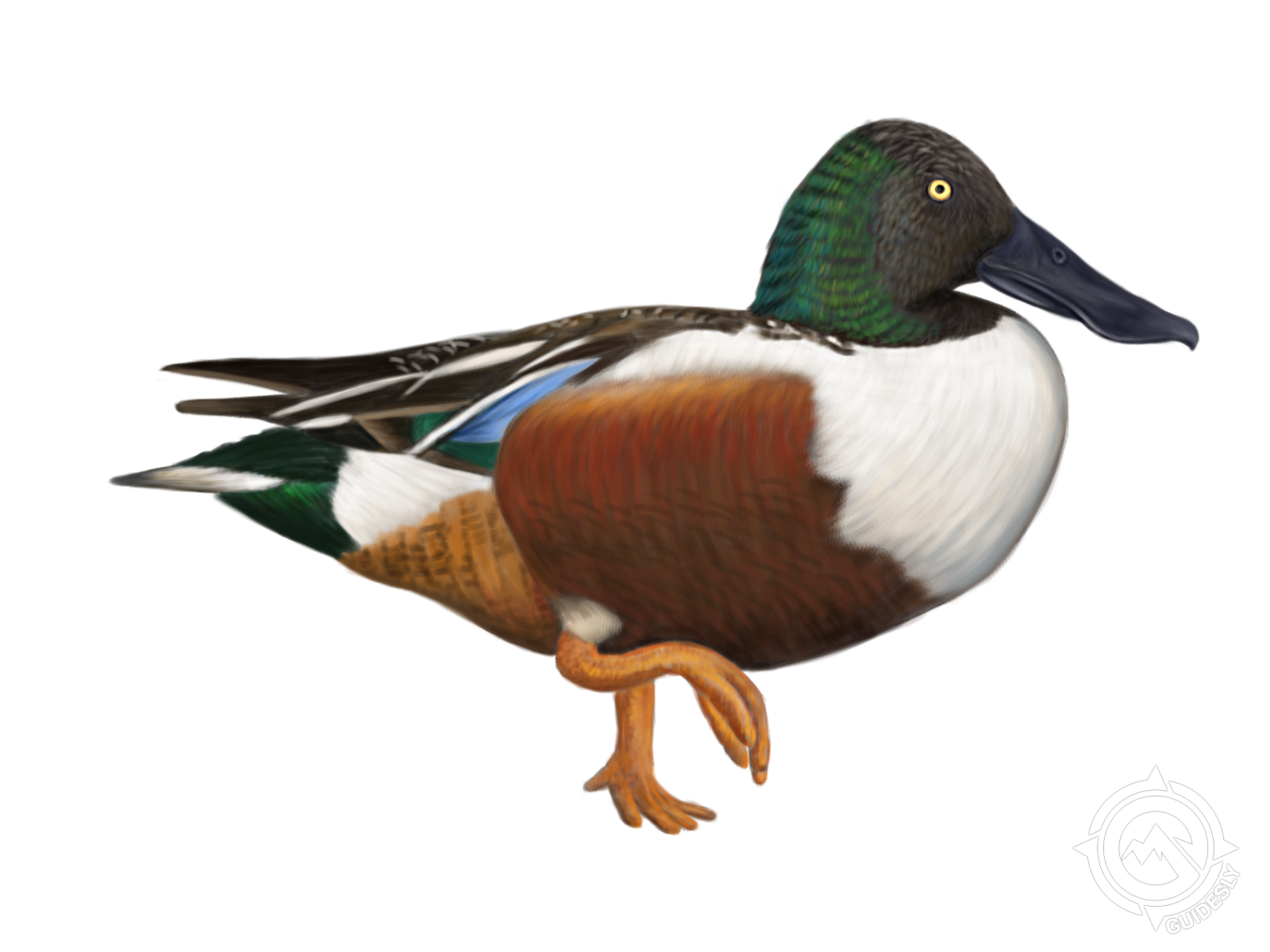
Northern Shoveler might not win beauty contests, but they're challenging birds that deserve respect. Those big bills are built for filter feeding, and they love shallow water where they can work the bottom. Shovelers often get overlooked by hunters focused on prettier species, but they're smart birds that can be tough to decoy later in the season. They're part of the authentic Northwest Oregon waterfowl experience, and learning to hunt them makes you a better all-around waterfowler.
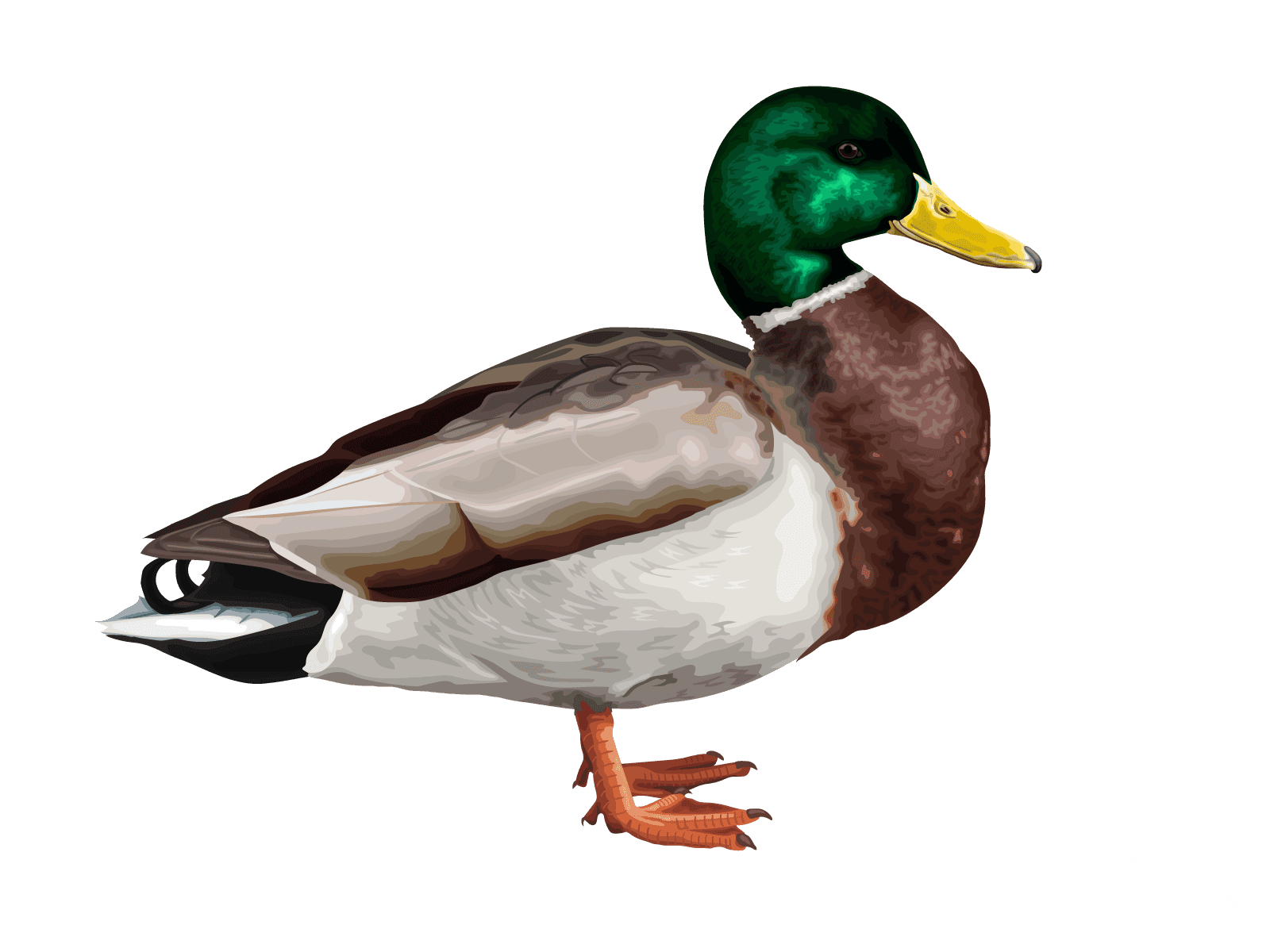
Mallards are the bread and butter of waterfowl hunting, and for good reason. These adaptable ducks thrive in our diverse habitat, from deep water to grain fields. A drake mallard in full plumage is hard to beat, and the hens are some of the wariest birds you'll encounter. Mallards respond to calling better than most species, so you'll learn what it means to work birds and bring them into the decoys. They're the perfect duck for hunters of all experience levels, but challenging enough that you never get bored hunting them.
Book Your Next Tag
This isn't just another guided hunt – it's your chance to experience Northwest Oregon waterfowl hunting the right way, with gear that works, dogs that retrieve, and a guide who knows where the birds are. We handle the boat, decoys, and blind setup so you can focus on the hunting. Remember to bring your own ammunition and firearms, as federal law prevents us from providing them. With space for just two hunters per trip, you're getting personalized attention and the kind of quality experience that keeps our customers coming back season after season. The Pacific Flyway doesn't wait for anyone, and neither should you. Book your duck hunting adventure today and see why Northwest Oregon is a customer favorite destination for serious waterfowlers.
Learn more about the animals
American Wigeon
American wigeon are medium-sized puddle ducks with a unique personality - the drakes sport a distinctive white crown stripe that earned them the nickname "baldpate." They're about 18-22 inches long and known for being somewhat lazy feeders, often stealing food from diving ducks rather than working for their own meals. You'll spot them in shallow ponds, flooded timber, and agricultural areas. October through January brings the best wigeon hunting as winter flocks build up in our coastal marshes. Hunters appreciate wigeon for their distinctive three-note whistle call and their excellent table fare - the meat has a mild, clean taste. These birds are curious and will often circle multiple times before committing. Set up with a good mix of mallard and wigeon decoys, and don't be afraid to call aggressively with that signature whistle.
Green-winged Teal
Green-winged teal are the smallest ducks we hunt, but they pack plenty of excitement into their compact 12-14 inch frame. These little speed demons fly in tight flocks and can change direction like hummingbirds. You'll find them in shallow water areas, rice fields, and muddy pond edges where they dabble for seeds and invertebrates. September through November is prime time when fresh birds are moving through. Hunters love teal because they're fast-flying challenges that require quick reflexes and good shooting. The meat is dark, rich, and perfect for the grill. Teal respond well to movement in your decoy spread - a jerk string or spinning wing decoy can turn a passing flock. Keep your shots quick when they commit because they'll flare fast if you hesitate. Early morning is your best bet for consistent action.
Mallard
Mallards are the classic duck that most folks picture when they think waterfowl - the drakes with their bright green heads and white neck rings are hard to miss. These adaptable birds run 20-26 inches and will eat just about anything from acorns to aquatic plants to waste grain. You'll find them everywhere from deep water to farm ponds, flooded timber to open marshes. Season runs October through January, with some of the best hunting coming after cold fronts push new birds down from Canada. Mallards are the bread and butter of duck hunting - they decoy well, respond to calling, and provide excellent table fare with mild, versatile meat. The key to consistent mallard success is reading the weather. Hunt feeding areas during stable conditions, but hit the roosts when storms move birds around. Keep your calling realistic and don't overcall to birds already working your spread.
Northern Pintail
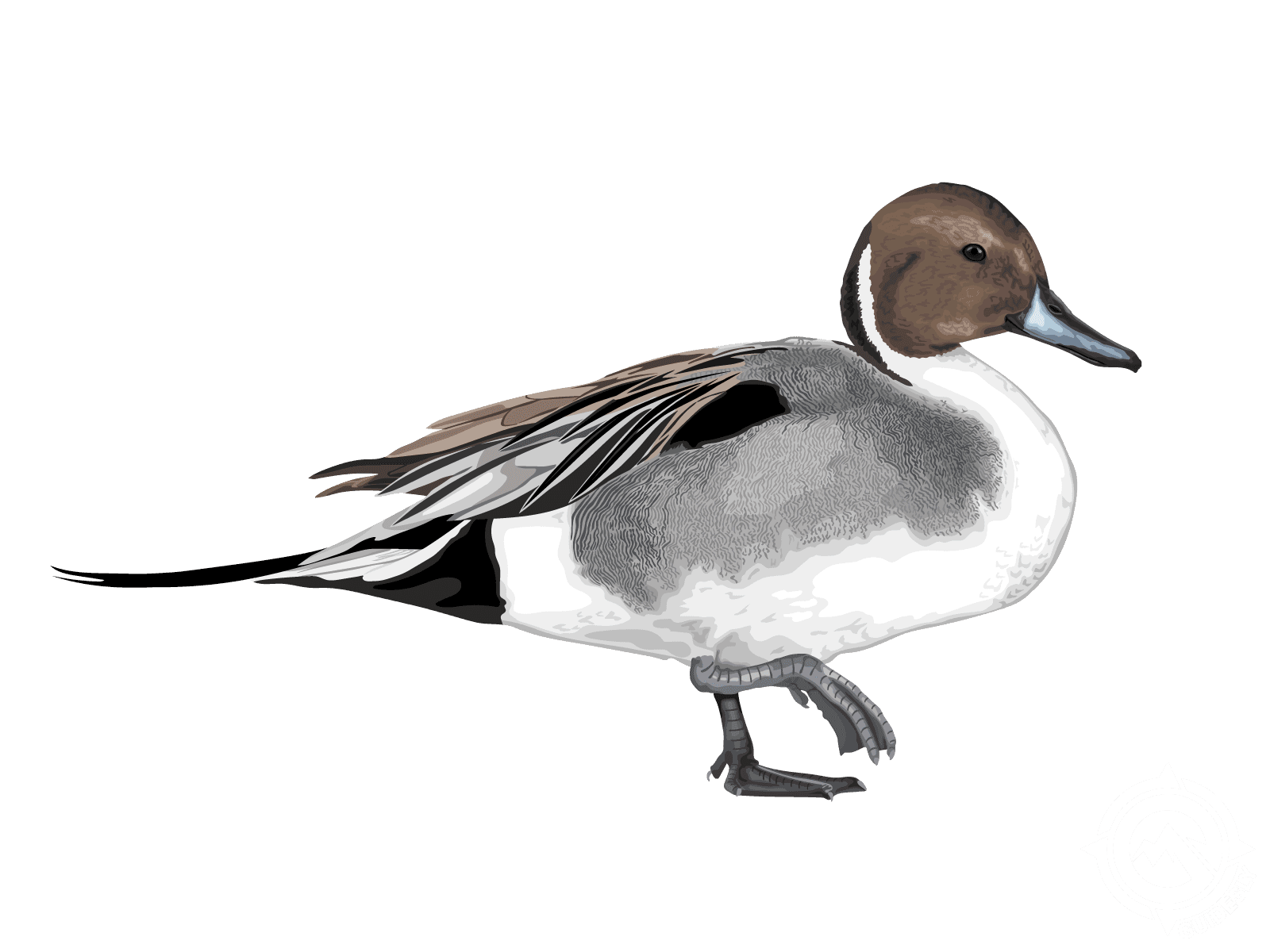
Northern pintails are elegant ducks that really stand out with their long necks and sleek profile. The drakes have that distinctive chocolate-brown head with a white stripe running down the neck. These birds are about 20-26 inches long and prefer shallow marshes, flooded fields, and mudflats where they can tip forward to feed on seeds and aquatic plants. Peak season here is October through December when migration brings good numbers through our area. What makes pintails special is their wariness - they're smart birds that test your calling and decoy setup. The meat is top-notch, lean and flavorful. My best tip for pintails is to keep your decoy spread simple with plenty of open water. They like room to land and hate feeling crowded. Use a feeding call sparingly and let the decoys do most of the talking.
Northern Shoveler
Northern shovelers are easy to spot with their oversized, spoon-shaped bills that look almost comical. These medium-sized ducks run about 17-20 inches and use those specialized bills to filter-feed on plankton and small invertebrates. They prefer shallow, muddy water with lots of organic matter - think cattle ponds, flooded fields, and marsh edges. Peak season runs October through December when migrants join our local birds. Shovelers aren't the fastest fliers, but they're steady and reliable targets that newcomers really appreciate. The meat quality varies depending on their diet - birds from grain fields taste much better than those feeding heavily on aquatic bugs. Pro tip: shovelers love decoys that create ripples and movement. A small paddle or water agitator in your spread will draw them in like a magnet. They're social birds, so use plenty of decoys.