%2Ffit-in%2F250x250%2Fguide_websites%2F57083%2Fimages%2F1765242861075481181008_1072879344644622_5907388752030918596_n.jpg&w=1920&q=100)
/users/022031ee-2684-45f2-8dd2-a987f2e78c1e/ratecard/1-miodz6ji.jpg)
%2F300x300%2Fusers%2F022031ee-2684-45f2-8dd2-a987f2e78c1e%2Fratecard%2F1-miodz6ji.jpg&w=256&q=75)
%2F300x300%2Fusers%2F022031ee-2684-45f2-8dd2-a987f2e78c1e%2Fimages%2Fanglers-fishing-oregon-2510.jpg&w=256&q=75)
%2F300x300%2Fusers%2F022031ee-2684-45f2-8dd2-a987f2e78c1e%2Fimages%2Fpacific-halibut-tillamook-fishing-2849.jpg&w=256&q=75)
%2F300x300%2Fusers%2F022031ee-2684-45f2-8dd2-a987f2e78c1e%2Fimages%2Fchinook-salmon-oregon-fishing-2569.jpg&w=256&q=75)
%2F300x300%2Fusers%2F022031ee-2684-45f2-8dd2-a987f2e78c1e%2Fimages%2Ftillamook-fishing-adventure-2638.jpg&w=256&q=75)
%2F300x300%2Fusers%2F022031ee-2684-45f2-8dd2-a987f2e78c1e%2Fimages%2Fincredible-fishing-haul-oregon-2760.jpg&w=256&q=75)
%2F300x300%2Fusers%2F022031ee-2684-45f2-8dd2-a987f2e78c1e%2Fimages%2Fsalmon-fishing-oregon-2795.jpg&w=256&q=75)
%2F300x300%2Fusers%2F022031ee-2684-45f2-8dd2-a987f2e78c1e%2Fimages%2Flingcod-catch-tillamook-2778.jpg&w=256&q=75)
%2F300x300%2Fusers%2F022031ee-2684-45f2-8dd2-a987f2e78c1e%2Fimages%2Ffishing-adventure-oregon-2648.jpg&w=256&q=75)
%2F300x300%2Fusers%2F022031ee-2684-45f2-8dd2-a987f2e78c1e%2Fimages%2Fcoho-salmon-fishing-oregon-2810.jpg&w=256&q=75)
%2F300x300%2Fusers%2F022031ee-2684-45f2-8dd2-a987f2e78c1e%2Fimages%2Fcoho-salmon-tillamook-fishing-2630.jpg&w=256&q=75)
Pro Fish Guide Tillamook Bottom Fish Crab Combo
 Tillamook, OR
What you will be catching:
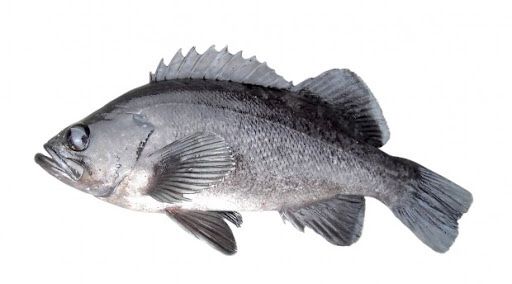 Black Rockfish
 Black Sea Bass
 Chinook Salmon
 Lingcod
 Pacific Halibut
- 7-9 hour combo trip targeting Lingcod, Rockfish, and crab
- Includes all fishing gear, crabbing equipment, and expert guidance
- Accommodates up to six guests with early 6 AM departure time
Trip Pricing and Availabilities:
Tillamook Combo Bottom Fishing and Crabbing
Get ready for the best of both worlds on Oregon's coast with this action-packed combo trip that puts fresh seafood in your cooler all day long. Pro Fish Guide's captain takes your group of up to six anglers on a 7-9 hour adventure that combines productive bottom fishing with hands-on crabbing around Tillamook's prime fishing grounds. You'll start at 6 AM when the water's calm and the fish are biting, giving you maximum time to load up on lingcod, rockfish, and whatever else is running hot. The crabbing adds a fun twist that keeps everyone engaged, especially when you're pulling up pots full of keeper Dungeness. This isn't just another fishing trip – it's a full-day seafood harvest that locals have been perfecting for generations.
What to Expect on the Water
Your morning starts early at the dock, but trust me, it's worth the 6 AM departure. The captain knows these waters like the back of his hand and heads straight to the productive structure where bottom fish congregate. We're talking rocky reefs, underwater ledges, and drop-offs that hold lingcod and multiple rockfish species year-round. The boat accommodates six guests comfortably, so you won't be bumping elbows or fighting for rail space. All your fishing gear is provided – quality rods, reels, tackle, and everything you need to get fish in the boat. Between fishing spots, you'll check crab pots that were set earlier, and everyone gets involved sorting through the catch to find legal keepers. The pace stays relaxed but productive, with plenty of opportunities to learn from an experienced captain who lives and breathes these waters.
Bottom Rigs and Crab Tactics
Bottom fishing around Tillamook means dropping heavy jigs and bait rigs down to where the big fish live. Your captain sets you up with the right tackle for the depth and current – usually 8-16 ounce weights to get your bait down fast and keep it in the strike zone. Rockfish respond well to shrimp, squid, and cut bait, while lingcod prefer larger offerings like whole sardines or artificial swimbaits. The key is staying tight to structure without getting hung up, and your guide knows exactly how to position the boat for optimal drifts. For crabbing, you're using traditional ring nets and rectangular pots baited with fish carcasses or chicken. The captain shows you how to measure crabs properly, identify males versus females, and handle them safely. It's surprisingly addictive pulling pots and never knowing if you'll find one crab or a dozen tangled up inside.
Target Species You'll Hook
Lingcod are the crown jewel of Oregon bottom fishing, and Tillamook's rocky structure holds some quality fish. These aggressive predators can reach 30-40 pounds and put up a serious fight on the way up from depth. They're most active during fall and winter months when they move into shallower water to spawn, but you'll find them year-round if you know where to look. Lingcod have massive mouths and will eat almost anything, making them fun targets for both bait and artificial lures. The meat is firm, white, and absolutely delicious – many anglers consider it the best eating fish on the coast.
Chinook Salmon make appearances throughout the year, with spring and fall offering the best opportunities for trophy-sized fish. These powerful salmon can exceed 30 pounds and provide explosive fights that test your tackle and endurance. When they're in the area, your captain might adjust tactics to target them specifically, using herring, anchovies, or spinner setups. The bonus is that fresh chinook salmon is some of the finest eating you'll find anywhere, perfect for grilling or smoking at home.
Pacific Halibut are the giants of the bottom, with even smaller fish weighing 10-20 pounds and providing steady, powerful resistance. Oregon's halibut season runs from May through October, and these flatfish inhabit sandy bottoms adjacent to rocky structure. They're ambush predators that lie camouflaged on the bottom waiting for baitfish to swim overhead. Halibut meat is prized for its mild flavor and firm texture, making every fish a valuable addition to your cooler.
Black Sea Bass are becoming increasingly popular targets as their populations recover along the Oregon coast. These fish prefer deeper water and rocky habitat, exactly what you'll find around Tillamook's productive fishing grounds. They're strong fighters for their size and excellent table fare with firm, white meat similar to lingcod. Black sea bass are curious fish that often travel in schools, so when you find one, there are usually more in the area.
Black Rockfish round out the mixed bag and are some of the most reliable fish you'll encounter on this trip. They school up around structure and provide consistent action when other species are being finicky. These fish are perfect for beginners since they bite readily and don't require specialized techniques. The meat is mild and flaky, ideal for fish tacos or simple pan-frying. Black rockfish also help fill out your daily limits when the larger predators are being stubborn.
Time to Book Your Adventure
This combo trip delivers exactly what serious anglers and seafood lovers want – variety, action, and a cooler full of fresh catch. You're getting nearly a full day on the water with an experienced captain who knows how to find fish and make sure everyone has a great time. The 6 AM start means you beat the afternoon winds and get first crack at productive water before other boats arrive. Remember to bring your Oregon fishing license, dress in layers for changing conditions, and pack snacks to keep your energy up during the long day. Pro Fish Guide provides all the fishing gear and crabbing equipment, so you just need to show up ready to fish. Keep in mind that deposits are non-refundable, so make sure your dates work before booking. This top-rated combo trip fills up fast during
Learn more about the species
Black Rockfish
Black Rockfish are aggressive feeders that make excellent targets on our bottom fishing trips. These dark gray to black fish typically run 4-5 pounds and love rocky reefs, jetties, and rough structure where they ambush smaller fish. They're found from shallow nearshore waters down to 1200 feet, often schooling with other rockfish species. What guests love about them is they're not picky eaters and fight well for their size, plus they make great table fare. You can catch them year-round, but they're most active during spring and fall feeding periods. They'll hit jigs, bait, pretty much anything you put in front of them. One thing to remember: they don't have swim bladders that vent, so bring them up steadily to avoid barotrauma. My tip: when you're over rocky bottom, drop your jig right to the structure and work it with sharp lifts - they can't resist that action.
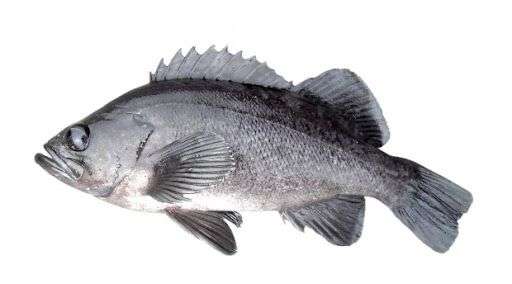
Black Sea Bass
Black Sea Bass are solid fighters that love hanging around structure like wrecks, pilings, and rocky bottom in less than 120 feet. Most run 2-4 pounds, but they're scrappy for their size and put up a good tussle until they break the surface. These guys are part of the grouper family with spiny fins and can change from gray-black to bright blue during spawning. They're excellent eating with firm white meat that's perfect for the table. Late spring through summer is prime time when they gather closer to shore around structure. They'll hit both bait and lures eagerly - squid strips and small jigs work great. Here's a local trick: use a two-hook rig and bounce it right along the bottom near structure. They're curious fish, so if you mark them on the sounder but they won't bite, try switching up your bait presentation or moving just slightly off the structure.
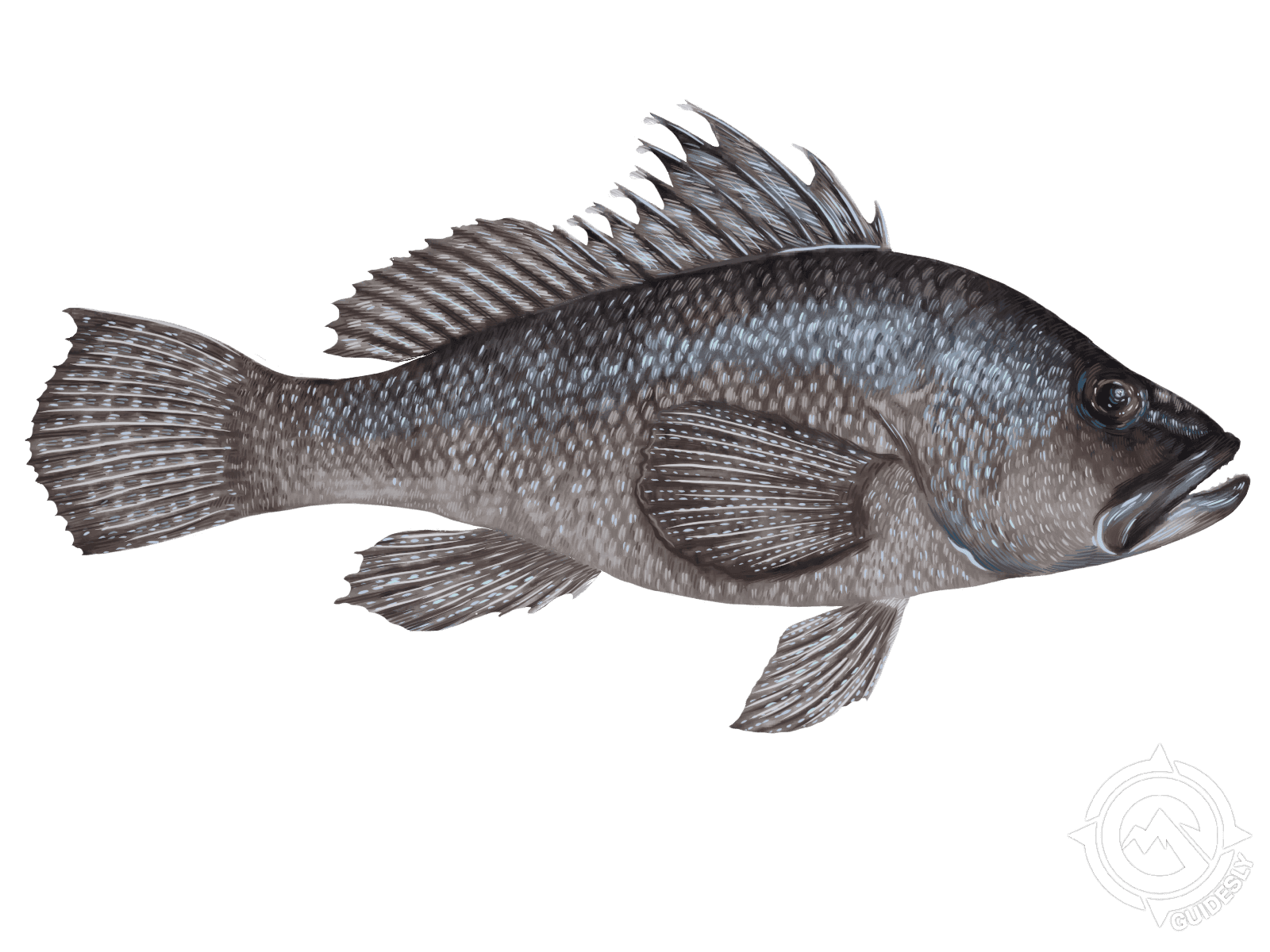
Chinook Salmon
Chinook are the kings of salmon for good reason - these silver rockets can hit 30+ pounds and fight like freight trains. Around Tillamook, we typically see them in 12-39 inch range averaging 10-15 pounds, but the bigger ones are always a possibility. They prefer cold water and tend to stay deeper during bright conditions, making early morning starts perfect for targeting them. The meat is rich and oily with that signature orange-pink color that makes them prized at the table. Best fishing happens during their migration runs, typically late spring through fall. Since they're light-sensitive, I like to get weighted baits down where they're holding and work areas with good current flow. Pro tip: when trolling, vary your speed and depth until you find what they want - once you dial it in, you can have multiple hookups.
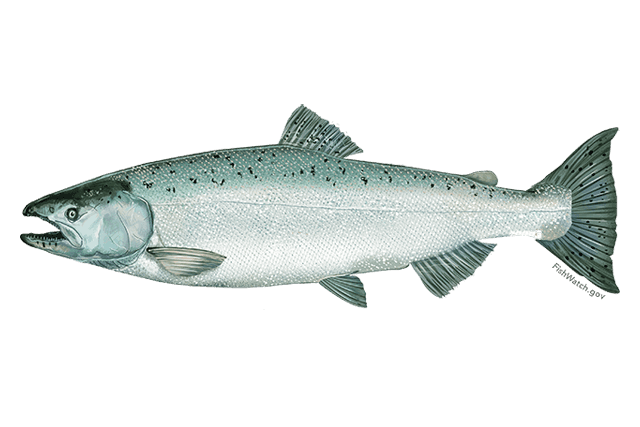
Lingcod
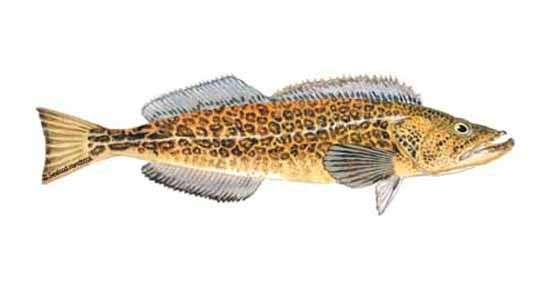
Lingcod are some of the gnarliest fish you'll encounter off Tillamook - they're not actually cod but greenlings with massive heads, razor-sharp teeth, and an attitude to match. These ambush predators hang tight to rocky structure in 30-300 feet, blending in with their mottled coloring until something tasty swims by. Females can reach 30+ pounds and fight harder than most fish their size. They're excellent table fare with firm white meat. You can target them year-round, but spring and fall tend to be most productive when they're actively feeding. My tip: once you hook one, keep steady pressure and get it up quickly - they'll use every rock and crevice to try breaking you off. Metal jigs work great, but don't be afraid to bounce some bait right on the bottom where they live.
Pacific Halibut
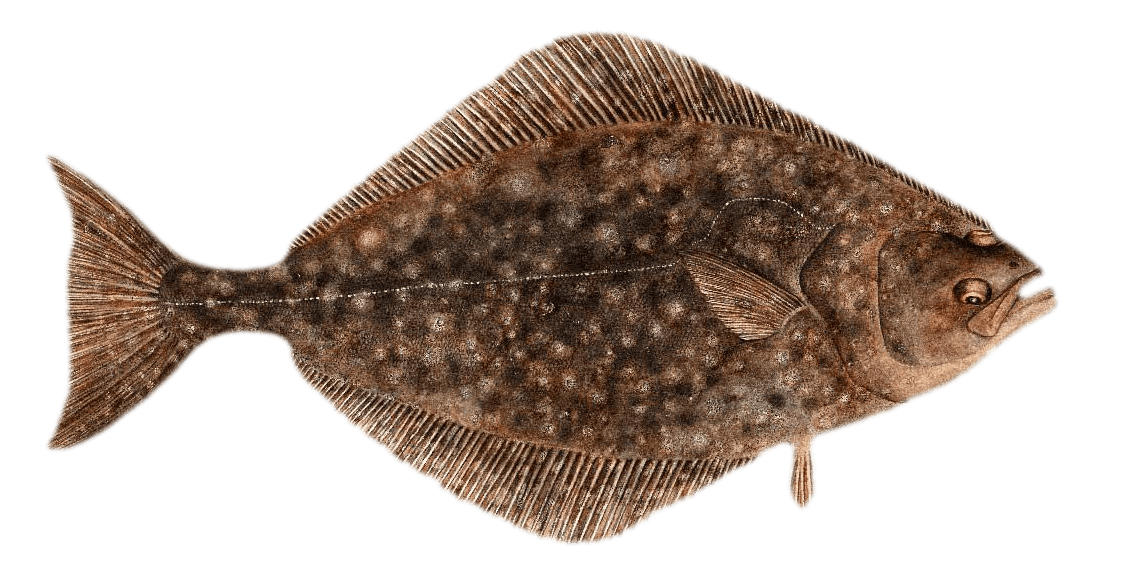
Pacific Halibut are the barn doors of the bottom fishing world - these massive flatfish can reach impressive sizes, with 20-40 pounders being common and 100+ pound fish definitely possible. They live on sandy and muddy bottoms in 150-500 feet, though we sometimes find them shallower. Summer brings the best action when they move up to feed more actively. What makes halibut special is the combination of size, fight, and incredible eating - firm white meat that's hard to beat. They're patient hunters that lie camouflaged on the bottom waiting for prey to pass overhead. My go-to technique is dropping heavy jigs or bait rigs right to the bottom, then working them with slow lifts and drops. Key tip: when you feel that thump, don't set the hook immediately - let them take it and start moving before you lean into them.
About the Pro Fish Guide
%2F%2Fusers%2F022031ee-2684-45f2-8dd2-a987f2e78c1e%2Fvehicle_picture%2F480811797_1067676991831524_1631167757417575280_n-miocyst1.jpg&w=1920&q=75)
Vehicle Guest Capacity: 6
Manufacturer Name: Yamaha
Maximum Cruising Speed: 25
Number of Engines: 2
Horsepower per Engine: 300