%2Ffit-in%2F250x250%2Fguide_websites%2F57083%2Fimages%2F1765242861075481181008_1072879344644622_5907388752030918596_n.jpg&w=1920&q=100)
/users/022031ee-2684-45f2-8dd2-a987f2e78c1e/ratecard/3-mioeobak.jpg)
%2F300x300%2Fusers%2F022031ee-2684-45f2-8dd2-a987f2e78c1e%2Fratecard%2F3-mioeobak.jpg&w=256&q=75)
%2F300x300%2Fusers%2F022031ee-2684-45f2-8dd2-a987f2e78c1e%2Fimages%2Fanglers-fishing-oregon-2510.jpg&w=256&q=75)
%2F300x300%2Fusers%2F022031ee-2684-45f2-8dd2-a987f2e78c1e%2Fimages%2Fpacific-halibut-tillamook-fishing-2849.jpg&w=256&q=75)
%2F300x300%2Fusers%2F022031ee-2684-45f2-8dd2-a987f2e78c1e%2Fimages%2Fchinook-salmon-oregon-fishing-2569.jpg&w=256&q=75)
%2F300x300%2Fusers%2F022031ee-2684-45f2-8dd2-a987f2e78c1e%2Fimages%2Ftillamook-fishing-adventure-2638.jpg&w=256&q=75)
%2F300x300%2Fusers%2F022031ee-2684-45f2-8dd2-a987f2e78c1e%2Fimages%2Fincredible-fishing-haul-oregon-2760.jpg&w=256&q=75)
%2F300x300%2Fusers%2F022031ee-2684-45f2-8dd2-a987f2e78c1e%2Fimages%2Fsalmon-fishing-oregon-2795.jpg&w=256&q=75)
%2F300x300%2Fusers%2F022031ee-2684-45f2-8dd2-a987f2e78c1e%2Fimages%2Flingcod-catch-tillamook-2778.jpg&w=256&q=75)
%2F300x300%2Fusers%2F022031ee-2684-45f2-8dd2-a987f2e78c1e%2Fimages%2Ffishing-adventure-oregon-2648.jpg&w=256&q=75)
%2F300x300%2Fusers%2F022031ee-2684-45f2-8dd2-a987f2e78c1e%2Fimages%2Fcoho-salmon-fishing-oregon-2810.jpg&w=256&q=75)
%2F300x300%2Fusers%2F022031ee-2684-45f2-8dd2-a987f2e78c1e%2Fimages%2Fcoho-salmon-tillamook-fishing-2630.jpg&w=256&q=75)
Pro Fish Guide Salmon Fishing Tillamook Coast
 Tillamook, OR
What you will be catching:
 Chinook Salmon
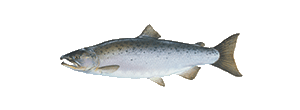 Coho Salmon
- 7-9 hour guided salmon fishing expedition along Tillamook coast
- Accommodates up to six passengers with experienced local captain
- Scenic back trolling combining productive fishing with wildlife viewing
Trip Pricing and Availabilities:
Salmon Fishing Trip - Oregon Coast
Picture yourself starting your day at 6 AM with the Oregon coast stretching out before you, coffee in hand, ready for 7-9 hours of some of the best salmon fishing on the Pacific Northwest has to offer. Our top-rated salmon fishing trips take you to prime spots along the Tillamook coast, into the protected waters of Nehalem Bay, or up to the productive runs near St. Helens. With room for up to six anglers, this is your chance to experience world-class salmon fishing while soaking in the rugged beauty that makes Oregon's coastline legendary. We keep things relaxed but focused – perfect for seasoned anglers and newcomers alike who want to target both Chinook and Coho salmon in some of the most scenic fishing grounds you'll find anywhere.
What to Expect on the Water
These trips are all about finding that sweet spot where great fishing meets spectacular scenery. We'll spend our day back trolling through proven salmon runs, moving between spots based on what the fish are telling us and what conditions look like. The pace is steady but never rushed – we want you comfortable and confident with your gear while we work the water methodically. Depending on the day and season, we might start in the deeper waters off Tillamook's coast for those big Chinook, then move into Nehalem Bay's calmer waters where Coho love to stage up. St. Helens offers its own advantages, especially during peak runs when salmon are moving through in good numbers. You'll get to see osprey, seals, and maybe even whales while we're out there, plus that rugged Oregon shoreline that photographers dream about. Bring your warm layers because even summer mornings can be chilly on the water, and pack some snacks and drinks to keep your energy up during the long day. Don't forget that fishing license – we can't wet a line without it, and nobody wants to cut their day short over paperwork.
Trolling Tactics That Work
Back trolling is an art form, and it's exactly the right technique for these waters and these fish. We'll be pulling plugs, spoons, and sometimes bait behind the boat at just the right speed to trigger strikes from salmon following their ancient migration routes. The beauty of back trolling is that it lets us cover water efficiently while keeping our offerings in the strike zone longer than other methods. We'll adjust our depth based on water temperature, bait schools, and what the fish finder is showing us. Some days they want the gear right on the bottom, other days they're suspended mid-column chasing baitfish. The rods we use are specifically set up for salmon – sensitive enough to feel the subtle taps but with enough backbone to handle a 30-pound Chinook that decides to make a run for deeper water. Our downriggers and side planers let us spread lines out and target different depths simultaneously, giving us multiple shots at fish moving through the area. You'll learn to read the subtle differences between a strike, a snag, and just the natural action of your lure working through the current. It's fishing that rewards patience and attention to detail, but when everything comes together and that rod tip starts dancing, you'll understand why salmon fishing has such a devoted following.
Species You'll Want to Hook
Chinook salmon are the kings of the Pacific, and for good reason. These fish can push 40 pounds in Oregon waters, though most of what we see runs between 15 and 30 pounds – still plenty of fish to test your drag system and make your arms sore. Chinook typically move through our area from late spring through early fall, with peak action usually hitting in summer months when they're staging before their spawning runs. What makes them so exciting to target is their sheer power and unpredictability. A big Chinook might take your bait and just sit there like a log, making you think you're snagged on bottom until it suddenly comes alive and starts peeling line. They're famous for those heart-stopping runs toward deeper water, and their aerial displays when hooked shallow can be spectacular. The meat quality on Chinook is outstanding – rich, oily, and perfect for the grill or smoker.
Coho salmon bring a completely different energy to the fight. These silver bullets are built for speed and acrobatics, often going airborne multiple times during a battle that can last 10 or 15 minutes. They typically run smaller than Chinook, usually between 8 and 15 pounds, but what they lack in size they make up for in attitude. Coho are aggressive feeders and will often hit lures with authority, giving you that solid hookset that leaves no doubt you're connected to a fish. They show up in our waters from mid-summer through fall, often schooling up in good numbers around structure or bait concentrations. Their willingness to bite makes them perfect for introducing new anglers to salmon fishing, while their fighting ability keeps experienced fishermen coming back. The silver sides and dark backs of a fresh Coho are beautiful to see, and they're excellent table fare with a milder flavor than Chinook that appeals to almost everyone.
Time to Book Your Spot
This salmon fishing experience combines everything that makes Oregon coastal fishing special – productive waters, stunning scenery, and the chance to tangle with some of the Pacific's most prized game fish. Whether you're looking to introduce family members to salmon fishing or you're a dedicated angler wanting to explore new water, these trips deliver the goods. The early start means we're on prime fishing spots when conditions are typically at their best, and the 7-9 hour duration gives us plenty of time to adjust tactics and locations based on what we're seeing. Remember that deposits are non-refundable, so check your calendar carefully before booking, but also keep in mind that prime salmon season dates fill up quickly with repeat customers who know what these trips can produce. Grab your spot now and get ready for a day of fishing that showcases exactly why the Oregon coast has earned its reputation as a world-class salmon destination.
Learn more about the species
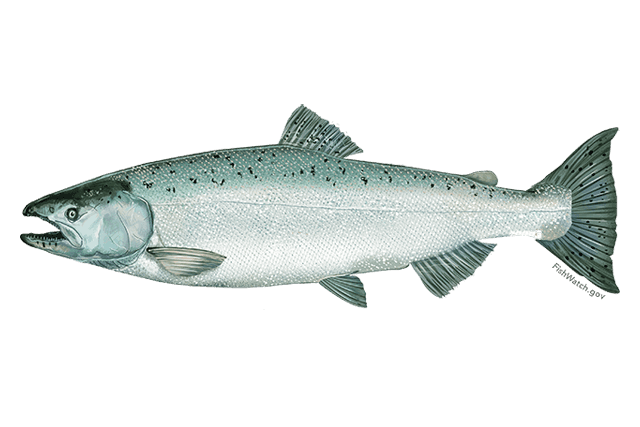
Chinook Salmon
King salmon are the heavyweights here, running 12-39 inches and averaging 7-15 pounds, though we see some real bruisers over 20 pounds. These silver-sided beauties with blue-green backs love deeper water and stay down during bright daylight hours. Early morning starts work best when they're more active near the surface. What makes chinooks special is that hard pull when they hit - they're strong fighters that'll test your gear. The meat is that rich orange-red color that tastes as good as it looks. Out here on the Tillamook coast, we back-troll with herring or plugs, keeping them deep where the kings cruise. Pro tip: when trolling, slow your speed way down - these fish want a lazy presentation, not something racing past them.
Coho Salmon
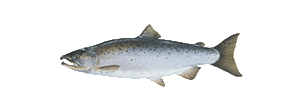
Silver salmon are the acrobats of the bunch, typically 12-30 inches and 8-12 pounds of pure energy. They'll jump clean out of the water when hooked - sometimes six feet straight up. Cohos hang around calmer areas near structure and debris, making them perfect for our bay fishing spots. They move between estuaries and ocean water, so timing matters with tides and seasons. What guests love most is the fight - these fish don't give up easy and put on a real show. The bright orange meat is top-notch eating too. Around Nehalem Bay, we find them in the deeper channels during slack tide. Local trick: use bright colors like chartreuse and pink when the water's murky. Cohos are curious and aggressive, so don't be afraid to work your lure with some action.
About the Pro Fish Guide
%2F%2Fusers%2F022031ee-2684-45f2-8dd2-a987f2e78c1e%2Fvehicle_picture%2F480811797_1067676991831524_1631167757417575280_n-miocyst1.jpg&w=1920&q=75)
Vehicle Guest Capacity: 6
Manufacturer Name: Yamaha
Maximum Cruising Speed: 25
Number of Engines: 2
Horsepower per Engine: 300